
We’ve all been there: you notice a minor issue with your roof and think, “I’ll deal with that later when I have more time or money.” At Brubaker Roofing, we understand that roof repairs aren’t always convenient, and they’re rarely something homeowners are excited to spend money on.
However, after three decades of serving Lancaster County homeowners, we’ve seen the same pattern repeat itself countless times: what starts as a minor repair costing a few hundred dollars turns into a multi-thousand-dollar emergency because the problem was left unaddressed. Lancaster’s weather doesn’t wait for convenient timing, and minor roofing problems rarely stay small.
The Expensive Consequences of “I’ll Deal With It Later”
The temptation to postpone roof repairs is understandable; roofing work requires time, money, and disruption to your daily life. Many homeowners convince themselves that a small leak or a few missing shingles aren’t urgent enough to warrant immediate attention.
The reality is that Lancaster’s climate actively works against your roof every single day. Our freeze-thaw cycles, heavy rains, summer heat, and winter snow all accelerate the deterioration of compromised roofing materials.
As experienced Lancaster roofing professionals, we’ve responded to countless emergency calls where homeowners watched a minor problem spiral into significant structural damage. The worst part is that most of this damage was entirely preventable with timely intervention.
Understanding the actual cost of delaying repairs (including all the hidden expenses most homeowners never consider) can help you make informed decisions about protecting your home and your wallet.
Minor Problems Become Major Damage: The Domino Effect
A single missing shingle might seem insignificant, but it exposes the underlayment to direct weather exposure. Once water penetrates that underlayment, it reaches the roof decking, where it can cause rot and structural damage that spreads far beyond the original problem area.
Here’s how the damage typically progresses: first, water infiltrates the compromised area during rain or snowmelt. That moisture soaks into your attic insulation, reducing its effectiveness and creating conditions for mold growth.
As the water continues to infiltrate with each rain event, it reaches the wooden roof structure, causing rot. Wood rot spreads through structural members, weakening your roof’s ability to support loads and potentially creating safety hazards.
Eventually, the damage becomes visible inside your home, such as water stains on ceilings, peeling paint, and structural sagging. By this point, what could have been a simple shingle replacement now requires extensive structural repairs, insulation replacement, and interior restoration.
Lancaster’s freeze-thaw cycles accelerate this progression and make it more damaging. Water that seeps into small cracks freezes and expands, turning minor openings into major breaches in just one winter season.
We’ve seen repairs that would have cost $500 if addressed immediately turn into $15,000 projects because the homeowner waited two years. The “point of no return” often comes sooner than people realize. Once structural damage begins, simple repairs are no longer an option.
Hidden Costs Most Homeowners Don’t Consider
The roofing repair itself is just the beginning of the costs associated with delayed maintenance. Mold remediation can easily add thousands to your repair bill, as professional mold removal is essential once moisture has been present in your attic or walls for extended periods.
Interior repairs often dwarf roofing costs. Water-stained ceilings require replacement, damaged walls require drywall work and repainting, and, in severe cases, flooring may need replacement if water has traveled through the walls.
Your energy bills quietly increase as damaged insulation loses its effectiveness. Many homeowners don’t connect their rising heating and cooling costs to that small roof leak, but compromised insulation can add hundreds of dollars annually to energy expenses.
HVAC systems work harder when insulation is compromised, leading to increased wear and potentially shortened equipment life. Moisture infiltration can also damage ductwork and create air quality issues that affect your family’s health.
Personal belongings stored in attics or affected areas can suffer water damage, and holiday decorations, family heirlooms, and stored furniture can be ruined by leaks that homeowners assumed were “just a small drip.” These losses often have both financial and sentimental costs that insurance may not fully cover.
When it’s time to sell your home, documented roof problems or visible water damage can significantly reduce its value. Buyers’ inspectors will identify roofing issues, and you’ll either need to make expensive repairs before closing or accept reduced offers that more than account for the needed work.
Insurance complications represent another hidden cost of delayed repairs. If your insurance company determines that damage resulted from neglect or failure to maintain your roof, they may deny claims for water damage, leaving you responsible for all repair costs.
When to Act: Recognizing Urgent vs. Schedulable Issues
Some roofing problems demand immediate professional attention to prevent rapid damage escalation. Active leaks during rain, missing shingles after storms, damaged flashing around chimneys or vents, and any signs of structural sagging all require prompt action.
Interior water stains, even if they’re not actively dripping, indicate that water has already penetrated your roof system and is likely causing hidden damage. Don’t wait for visible dripping; the stain itself is your warning sign.
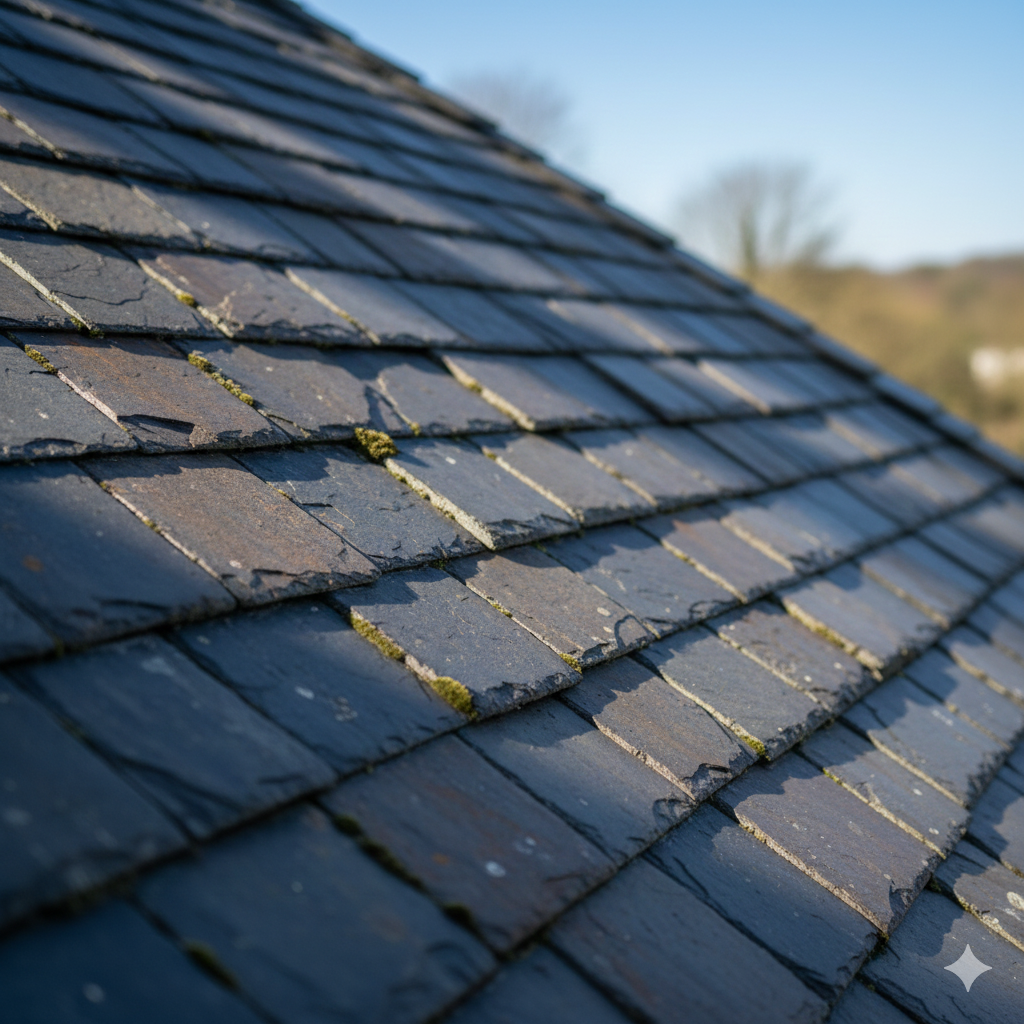
Other issues can be scheduled, but shouldn’t be ignored indefinitely. Worn shingles showing significant granule loss, minor flashing deterioration, and small areas of damaged materials should be addressed within weeks or months, not years.
The key is understanding that “schedulable” doesn’t mean “optional.” Even problems that don’t require emergency response still need timely attention before Lancaster’s next severe weather event turns them into urgent situations.
When you have multiple roofing issues, a professional assessment helps you prioritize which problems need immediate attention and which can wait slightly longer. However, addressing everything in one project often costs less than tackling issues piecemeal over time.
The financial benefit of early intervention cannot be overstated. A $500 repair today prevents a $5,000 repair next year and a $15,000 emergency the year after. This isn’t scare tactics, it’s the reality we see play out regularly in Lancaster County.
Protect Your Investment with Timely Repairs
Your home is likely your most significant financial investment, and your roof is its primary protection against the elements. Delaying necessary repairs doesn’t save money; it simply shifts costs to the future, making them much larger.
At Brubaker Roofing, we pride ourselves on honest assessments that help homeowners make informed decisions. We’ll never pressure you into unnecessary work, but we will give you straightforward information about what needs attention now versus what can wait.
Early intervention is always more cost-effective than emergency repairs. Minor problems addressed promptly stay small and affordable, while delayed problems compound into major expenses that often come at the worst possible times.
Don’t wait until water is actively pouring through your ceiling or until structural damage forces a complete roof replacement. Contact us today for a professional inspection that identifies problems while they’re still manageable and affordable.
With over three decades of experience protecting Lancaster County homes, we’ve seen every scenario imaginable. Let us help you avoid the expensive consequences of delayed repairs and keep your home protected with timely, cost-effective maintenance.